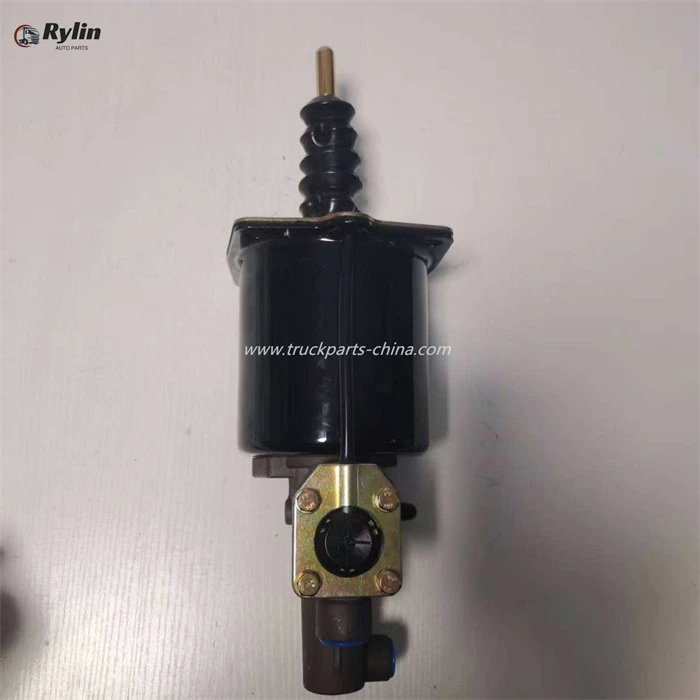
Proper selection of construction machinery parts is essential for ensuring safe equipment operation, improving working efficiency, and reducing maintenance costs. Since construction machinery typically operates under heavy loads and complex working conditions, the quality and compatibility of components directly determine overall stability and service life. Therefore, a systematic and comprehensive evaluation is required during the selection process.
Model and specification matching is the fundamental requirement in parts selection. Different brands and models of construction machinery vary in structural design and technical parameters. Components must fully match the equipment in dimensions, interfaces, and performance specifications, otherwise installation failure or abnormal operation may occur. Therefore, it is necessary to carefully verify equipment models and technical documentation before procurement.
Product quality and performance are the core considerations. Construction machinery parts must maintain stable performance under high-intensity and long-term operation conditions. Key factors include material strength, wear resistance, fatigue resistance, and machining accuracy. High-quality components generally offer lower failure rates in complex environments, thereby improving overall operational efficiency.
Supply stability is another important criterion. Construction operations are often continuous, and any shortage or delay in spare parts supply can directly affect project progress. Therefore, suppliers with stable production capacity and a well-established supply chain system should be prioritized to ensure long-term operational requirements.
In addition, after-sales service and technical support capabilities should not be overlooked. In practical applications, some components may require professional guidance or technical assistance. A comprehensive service system can effectively reduce operational risks and improve maintenance efficiency.
Overall, the selection of construction machinery parts should be based on a comprehensive evaluation of compatibility, product quality, supply capability, and service support, ensuring safe, efficient, and cost-effective equipment operation.